
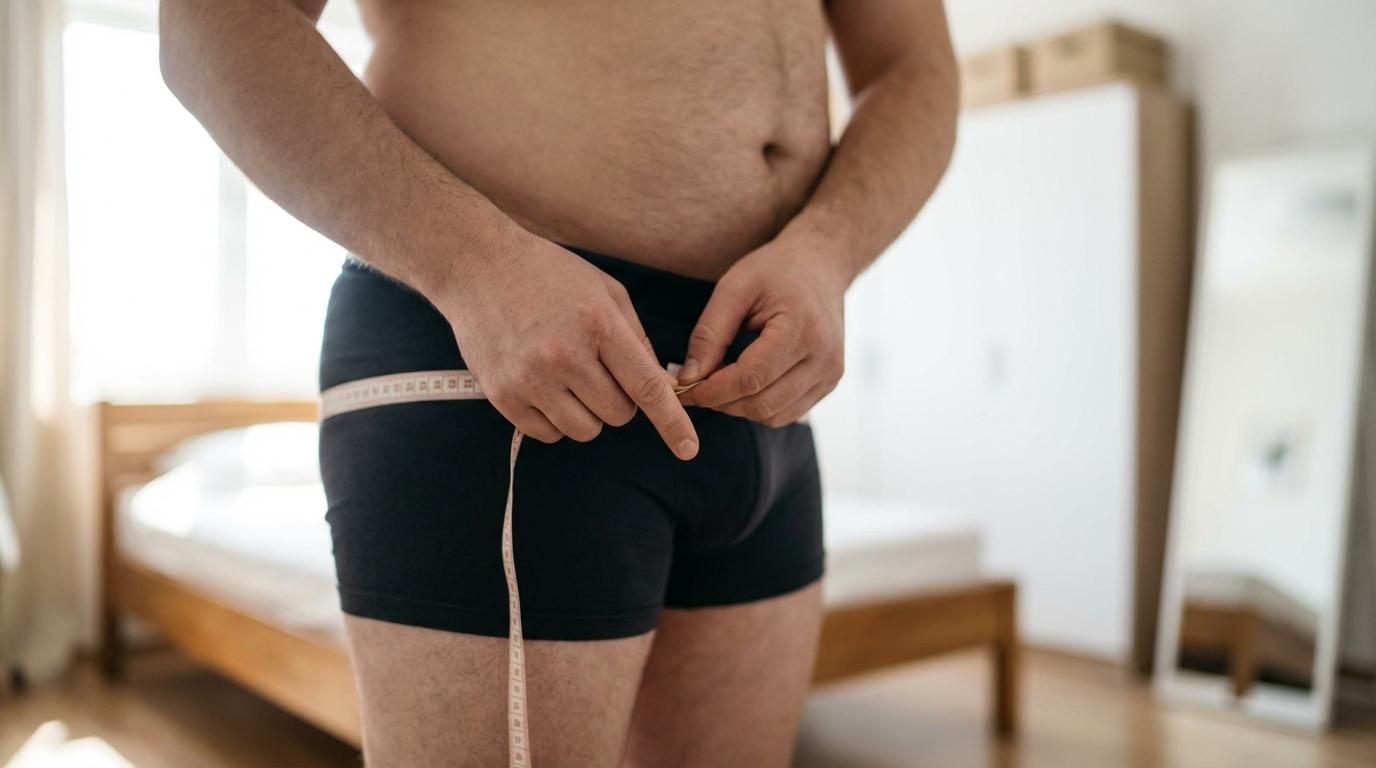


Buying men's clothing online in large sizes can be really satisfying when fits sitting on the first try. But it requires that your measurements are taken in the right place, with a horizontal tape measure and a relaxed body position. A few centimetres one way or the other can move you from “just right” to “it's tight across the stomach” or “the trousers are too long”.
Here's a practical, calm guide to self-measurement, measurements that matter most for large sizes, and how to translate the numbers into a size when shopping.
Before you measure: make it easy for yourself
The best measurement is the one you can repeat. So start by making the framework simple: a flexible tape measure, a mirror and a few unhurried minutes.
Measurements in underwear or tight-fitting t-shirt And shorts. A thick jumper, hoodie or jeans can quickly add several centimetres and you'll end up ordering too big.
After a short paragraph is often where things go wrong, so here's a little checklist to make the rest easier:
- Short tape measure (old ruler)
- Full-height mirror
- Notes app for the numbers
- The one-finger rule: The tape measure should fit snugly, but you should be able to get a finger underneath
- Two measurements: Take each target 2-3 times and use the number you can recreate
If you can get a friend or partner to help, the hip and inseam in particular will be more accurate. It can still be done alone, but the mirror is your best friend.
How to stand to get the measurements right
Stand with your feet roughly hip-width apart and your weight distributed on both legs. Look straight ahead, lower your shoulders and breathe normally.
Don't tighten your stomach. Many people do it automatically, and then the waist size becomes too small, which can result in a shirt that gapes between the buttons or trousers that tighten when you sit down.
One small detail: always measure with the tape measure parallel to the floor all the way round. If it hangs down on your back, you'll typically get a bigger number than you actually have.
The four most important measurements for men's clothing in large sizes
When talking about large sizes, it's tempting to focus on “my size usually is...”. The problem is that sizes vary between brands and fit varies between models.
The measurements that almost always pay off are chest, waist, hip and inseam. Add a fifth measurement if you buy shirts or jackets frequently: neck or sleeve length.
Chest (chest circumference)
Measure around the widest part of the chest. For most men, this is across the chest and around the shoulder blades, without the tape measure creeping up the back.
Keep your arms relaxed down at your sides. If you lift them, the circumference changes and you risk buying too tight across your chest and back.
Waist (natural waist)
Waist is often measured in the wrong place, especially if you're used to trousers sitting at the navel. The “natural waist” is typically the narrowest part of the torso.
A simple trick: bend slightly to the side. Where the skin folds is your natural waistline. Place the tape measure there and measure with normal breathing.
Hip (hip circumference)
Hips are measured around the fullest point at the seat and hips. For plus sizes, it can vary slightly where the “biggest point” is, so move the tape measure up and down slightly and find the largest circumference.
It may feel like extra work, but it's exactly the kind of exercise that can separate a pair of trousers that fit well from a pair that tightens across your thighs when you walk.
Inseam (crotch length)
The inseam is measured from the crotch down to the length you want the trousers to be. This is easiest with help, but you can also measure a pair of trousers that you know fit well in length.
Measure along the inside of the leg. If you measure on the outside (leg length), you'll rarely hit the same number as in size charts.
Quick overview: which target is used where?
Once you have the numbers, the next question is: which measurement is most important for which type of clothing?
Here's an overview you can use as a reminder:
| Clothing | Primary goals | Typical signs that the target is wrong |
|---|---|---|
| T-shirt, polo shirt, sweatshirt | Chest + waist | The fabric pulls horizontally across the stomach/chest or falls “bag-like” |
| Shirt | Chest + waist (possibly neck) | Buttons gaping, tightening at back/upper arms, collar is uncomfortable |
| Blazer/jacket | Chest + waist + shoulder sensation | Lapels open, armholes tight, back creases |
| Trousers/jeans | Waist + hip + inseam | Waistband pinches when sitting, thighs tighten, too much fabric at ankles |
If you only want to take two measurements: take chest and waist for tops, waist and inseam for trousers. The hip is the extra measurement that often saves the fit in large sizes.
When fabric cheats: stretch, firm weave and “space” in the garment
Two tops can be the same size on the label and feel completely different. It's often a matter of material and cut.
Stretchy materials (jersey, sweat, blends with elastane) are more forgiving. Firmly woven fabrics (shirts, denim without much stretch, classic trousers) are less forgiving and a little extra room is nice to have.
A handy rule of thumb when looking at size charts:
- If the material is firm and without significant stretch, a little extra width is your friend.
- If the material is clearly stretchable, you can often fit closer to your body measurement without it feeling tight.
If you're looking at shirts and blazers, room to move is important. You need to be able to reach your arms out, sit down and breathe without the garment “locking”.
The most common measurement errors (and how to avoid them)
Most mispurchases are not about the body being “heavy”. It's about a slight inaccuracy in measurement.
The tape measure may hang on your back or you may accidentally measure your waist where your trousers normally sit and the numbers don't match the charts.
Here are the mistakes we see over and over again, plus a simple solution for each:
- The tape measure slopes: Check in the mirror that it is horizontal all the way round
- You're measuring over too many clothes: Measure in underwear or very thin layer
- You pull in your stomach: Breathe calmly and aim for an exhalation without pushing
- You measure your waist at your belly button: Find your natural waist by bending slightly to the side
- You only take one target: Measure 2-3 times and use the most stable number
A little extra habit helps: write down your goals with a date. Your body changes over time and you don't have to start from scratch every time.
How to choose your size when you're between two
You often hit the “in-between” in large sizes, especially if you have a slight difference between chest, waist and hip. Here's the most useful approach: choose from the largest relevant measurement.
In practice, this means that you don't choose according to “the size you want to be”, but according to the size that leaves room where the clothes would otherwise be tight.
A simple mini-guide for when you need to decide:
- Solids: Choose the larger of the two sizes
- Stretch: Choose the size that fits your largest measurement and read the fit (regular, modern, comfort)
- Shirts and jackets: Select by chest and check waist size in the chart
- Trousers: Choose by waist and hip and use inseam for length
If you order trousers in tall sizes (LT and up), the point is to get more length without having to go up in waist size. This is a huge advantage when you're tall and wear plus size.
Use size guides correctly: measure your body and measure your clothes
A great trick when shopping online: combine body measurements with measuring a garment you already love the fit of.
Body measurements tell you what size you should typically start with. Clothing measurements tell you which fit you actually prefer.
Goals for example:
- Shirt chest width: from armpit to armpit, times 2
- Inseam on a pair of trousers: just like on the body, but on the trousers
- Waist measurement on a t-shirt: where you feel it should fall nicely
At Hos Birger you will find sizing guides divided by both brand and category, which makes a difference because a 3XL is not “just a 3XL” across all brands. Some brands also work with fit types (casual fit, comfort fit, modern fit) that change the space over the stomach and chest without necessarily changing the length.
If you want to make it even easier: technology and an extra security
There are apps that can estimate body measurements from photos and virtual fitting rooms are on the rise in many places. They can be great as a supplement, but a tape measure is still the most stable solution when you want to get it right the first time.
When you shop online, return policies matter too. At Birger we have 365 days return policy, In practice, this makes it safer to order a size you're unsure of. You also get free shipping over DKK 499 and delivery in Denmark is typically 1 to 3 business days, so you can quickly try on at home and feel at ease.
If you want to be absolutely sure of a specific shirt, trousers or jacket, you can also reach out to customer service with your measurements and the model you're looking at. This is often the quickest way to get it right, especially when shopping in large sizes or numbers, where small differences in average mean a lot.
Facebook
WhatsApp
Twitter
LinkedIn
Pinterest
Latest posts

Big & Tall: What does it mean - and what size is right for you?
22 December 2025
No Comments
Everyday style guide: 7 outfits for plus size men
24 December 2025
No Comments
Jeans and chinos in 8XL: How to choose the right model
30 December 2025
No Comments
Shirts for big men: materials, cuts and comfort explained
2. January 2026
No Comments
Underwear for plus sizes: Comfort without compromising on support
8. January 2026
No Comments
