


Work-friendly men’s clothing in plus sizes: stretch, durability and breathability
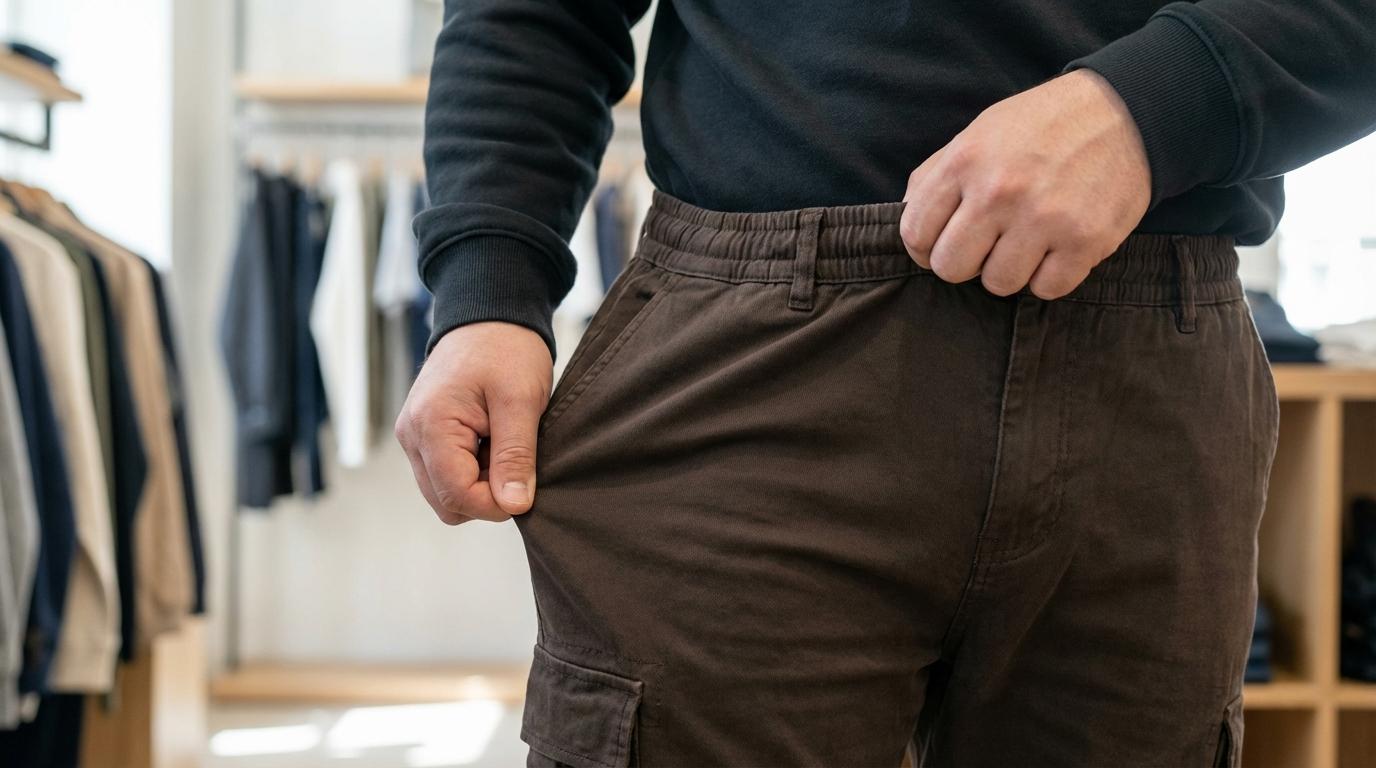
When workwear needs to be practical for everyday use, it’s rarely enough for it to be “just” a larger size. It needs to be able to withstand wear and tear, allow freedom of movement and, at the same time, feel comfortable to wear for many hours. This is especially true if you’re physically active, or if you switch between working indoors and outdoors during the day.
For many plus-size men, good workwear comes down to three things: stretch, durability and breathability. When these three are in balance, you get trousers and tops that don’t feel tight, don’t give way in the wrong places, and don’t feel like a sauna by lunchtime.
Plus-size workwear is all about proportions, not just numbers
There’s a big difference between going up a size and choosing a cut that’s actually designed for larger body types. In large sizes The fit quickly becomes crucial: where does the knee sit on the trousers, how much room is there in the thigh, and how does the waistband sit when you squat down?
Hos Hos Birger It is often said that larger sizes only make sense when the design takes into account proportions and movement, rather than just extra fabric. That is also why we are seeing more elastic in the waistband, more thoughtfully placed pockets and fabrics that give a little without becoming baggy.
A handy rule of thumb: If your trousers feel fine when you’re standing up, but feel tight around the knees and crotch when you’re working, it’s not you who’s the problem. It’s the cut.
Stretch that works, without the clothes losing their shape
Stretch in workwear can be a real bonus when done right. A small amount of elastane in a cotton blend can make a big difference, especially in trousers, where you’re often bending, lifting and walking up and down.
A specific example is the cargo trousers from North Latitude, which are available in large sizes at Hos Birger. They are made from 98 % cotton and 2 % elastane and are described as slightly stretchy with an elasticated waist, which allows for greater freedom of movement in everyday life (see the product description here: North Latitude cargo trousers).
However, stretch isn’t just about “more elastic”. It’s also about how the fabric is woven and where the garment is designed to give way. Some trousers feel flexible in the fitting room but become stiff after just a few hours’ wear because the material doesn’t move with the body.
Here’s a good starting point when assessing the stretch in plus-size workwear:
- Move around: squat down, take a long stride, lift your knee.
- Check the waistband: it should stay in place, even when you bend over.
- Feel the fabric: it should give way and spring back into shape.
Durability: it’s the seams and the exposed areas that determine this
The durability of workwear isn’t just measured by “thick fabric”. Wear and tear often occurs in the same places: the knees, inner thighs, crotch, back pockets and pocket gussets. In plus sizes, the strain on seams and fabric can be greater, as there is more movement and more friction in everyday life.
Independent tests suggest that work trousers should be able to withstand high levels of wear and tear to be a reliable choice for everyday use. Testfakta mentions, amongst other things, wear resistance tests, in which around 30,000 bicycles may be a measure that indicates robustness (article here: Test facts on the quality of tradesmen’s trousers).
You don’t need to measure the bikes yourself, but you can look out for the details that are often associated with a long service life:
- Reinforced seams: Double stitching and tight stitching in the crotch and inner leg seams.
- Fabric quality: Heavy twill or tightly woven cotton that feels “firm” to the touch.
- Handy pockets: Pockets that are sewn on securely so that they don’t come loose.
A simple tip that many people overlook: Turn your trousers inside out and take a look at the stitching. If it looks shoddy on the inside, it’s rarely any better out on the building site.
Breathability: the comfort you feel after 6 hours, not after 6 minutes
Breathability is often the first thing you notice is missing when it’s not there. And when it comes to workwear, it can be just as important in winter as in summer, because you’re switching between being active and taking breaks.
Breathability comes from two sources:
- The material (cotton, wool, technical fibres).
- The construction (ventilation, lining, membranes, fit).
Rainwear is a good example of how breathability can be built in. North Latitude rain trousers, available from Hos Birger, are made from 100 % polyester with a membrane, as indicated by water column pressure 3000 mm and Breathability 3000 MVTR (see the product description here: North Latitude rain trousers). In practice, this means that the trousers are designed to keep water out whilst allowing some moisture from inside to escape, so you don’t get clammy quite so quickly.
Breathability is also about fit. If a jacket is very tight across the back and chest, even good materials are of little help because the air cannot circulate.
Materials in practice: which is best suited to which job?
It can be difficult to make a choice based on fabric composition alone, so here’s a simple guide you can use as a reference when looking at plus-size workwear.
| Material / solution | What it typically provides | It’s good when you | Look for |
|---|---|---|---|
| Cotton with a small amount of elastane (e.g. 98/2) | Comfortable, slightly stretchy, nice fit | You walk and bend over a lot | Elasticated waistband, sturdy weave |
| Heavy-weight cotton/twill | Wear resistance and stability | Knee pads, pockets, tools | Double-stitched, sturdy pockets |
| Polyester with a membrane (rainwear) | Water resistance and greater dry comfort | Working outdoors in the rain and wind | Specified water column pressure + MVTR |
| Mixtures with a technical finish | Stain resistance and easier maintenance | Gets dust, dirt and splashes | Surface treatment and easy cleaning |
The table isn’t a definitive guide, but it makes it easier to choose based on your everyday life, not just on size.
Fit in plus sizes: small adjustments, big difference
When you’re working in your clothes, little annoyances become a big deal. The waistband rolls down. The trouser legs feel tight. Your top rides up when you reach for something. It’s often here that plus-size and tall sizes (LT to 6XLT) is important because length and width must go hand in hand.
Many men find it helpful to think of workwear as a system, rather than as individual items. Your trousers should fit your boots, suit your movements and have the right pockets. Your top should work well with the layers worn underneath and on top.
Here are a few details that often make a noticeable difference in everyday life:
- Elasticated waistband and adjustment: Provides comfort as you alternate between standing, sitting and bending over.
- Room in the thighs and knees: Less resistance when kneeling or walking up stairs.
- Suitable lengths: Plus-size clothing can save you from having to “pull at your clothes” all day.
Layer upon layer, without it feeling heavy
Workwear needs to be suitable for use in Denmark, where the weather is changeable. Many people end up buying outerwear that’s too thick to keep them warm, and the result is that it’s either stiff or makes them sweat.
A more comfortable option is often to build up in layers:
And moisture-wicking inner layer, a warm mid-layer (a sweatshirt or jumper) and an outer layer suitable for wind and rain.
This is also one of the reasons why a good sweatshirt in larger sizes can be just as “work-friendly” as classic workwear, provided it fits properly and is hard-wearing. At Hos Birger, many men find a wardrobe that suits both workdays and leisure time, precisely because fit and durability are prioritised.
What’s worth checking before you book online?
When you’re buying workwear online, it’s nice to have a few reliable pointers, especially in plus sizes where fit varies greatly from brand to brand. At Hos Birger, you can shop both in-store in Christiansfeld and online at webshop, and there is 365 days return policy, which gives you the peace of mind to try them on at home. Delivery usually takes 1 to 3 working days in Denmark, and there’s free delivery on orders over 499 kr., so it’s perfectly feasible to try the clothes on in your own home.
Start by thinking about what your clothes will actually be exposed to: kneeling, a lot of walking, indoor heat, outdoor rain, tools in your pockets. The more specific you are, the easier it is to choose.
When reading a product description, it’s a good idea to focus on:
- Fabric composition and whether it contains elastane
- Whether there is an elasticated waistband or an adjustable waist
- Specifications for rainwear (water column pressure and breathability)
- Photos showing details of the pockets and stitching
And if you want to save money without compromising on quality, an outlet might be a good place to look. At Hos Birger, you can typically find savings of up to 40 %, and it can be a great way to try out a new brand or a new fit.
When comfort needs to look the part too
Many people associate workwear with something that simply has to be practical. But for many men, looking smart actually matters, even on a working day – especially if you’re meeting clients, heading out on jobs or going straight to a private engagement after work.
This is where plus-size cuts make a difference, because a good cut creates a neater look. The same goes for colours that stay looking good and fabrics that don’t become “baggy” after just a few hours.
If you’re unsure about size, length or fit, personalised advice can save you from both making a bad purchase and feeling frustrated. This applies both in-store and when shopping online, where it can often be sorted out with a few measurements and a brief discussion about how the garment will be worn.
Facebook
WhatsApp
Twitter
LinkedIn
Pinterest
Latest posts

Big & Tall: What does it mean - and what size is right for you?
22 December 2025
No Comments
Everyday style guide: 7 outfits for plus size men
24 December 2025
No Comments
Jeans and chinos in 8XL: How to choose the right model
30 December 2025
No Comments

Shirts for big men: materials, cuts and comfort explained
2. January 2026
No Comments
Underwear for plus sizes: Comfort without compromising on support
8. January 2026
No Comments
