


Plus-size sports and leisure: Comfortable hoodies, sweatshirts and shorts that fit
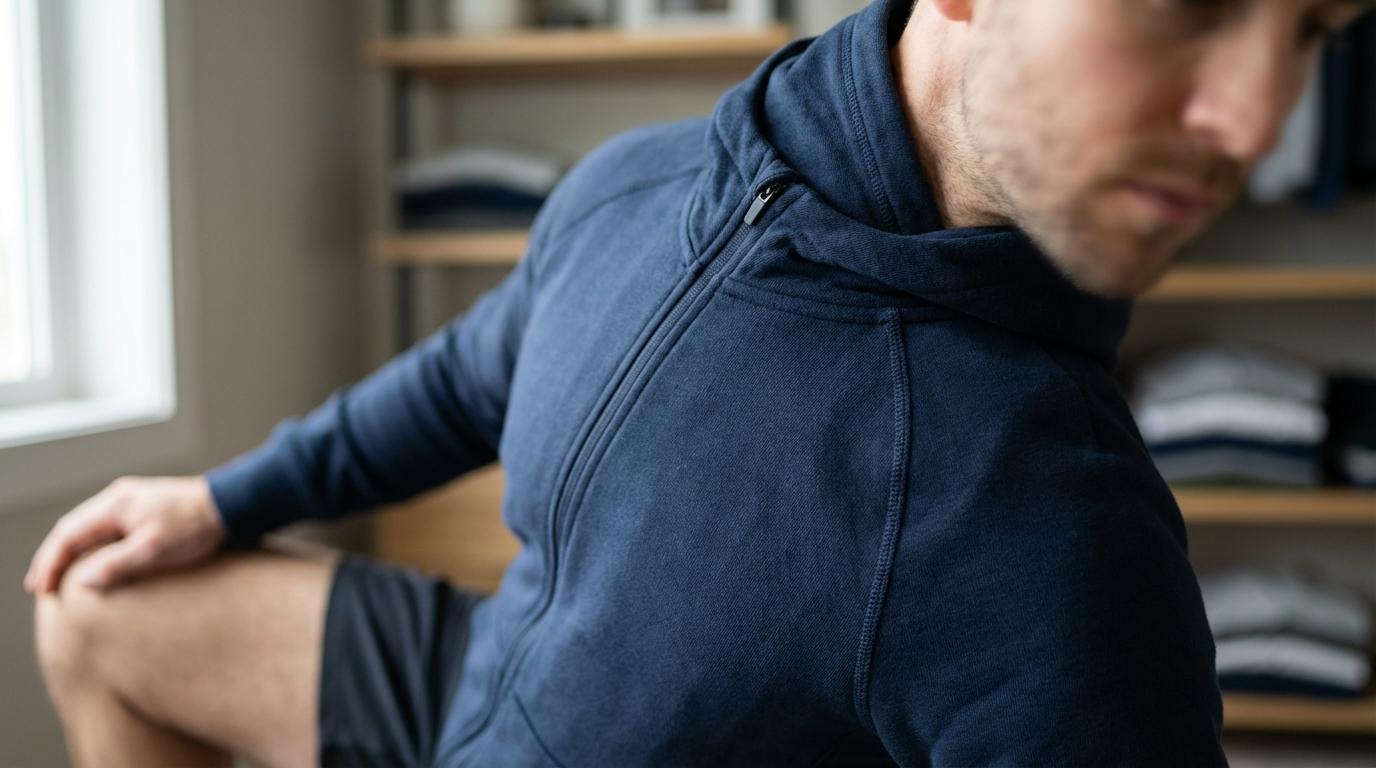
The best sportswear is the kind you forget you’re wearing. When the fit is just right and the fabric moves with your body, it’s easier to enjoy a good workout, a long walk or simply a relaxed Sunday in a hoodie and shorts without having to keep adjusting anything.
For plus-size men, sports and casual wear isn’t just about “larger sizes”. It’s about proportions, movement, warmth, sweat and details that stand the test of everyday wear. Here’s a practical guide to hoodies, sweatshirts and shorts that actually fit.
Why plus-size sportswear often feels wrong
Many people find that plus-size sportswear is either too tight in the wrong places or far too loose all over. This is often because the garments have simply been scaled up from a smaller size rather than being designed specifically for a larger body.
You can feel it when you sit down, kneel or raise your arms. Your thighs might feel a bit tight, your tummy might “pull” at your waist, and a hoodie might feel tight across your back and shoulders, even though it looks roomy when you’re standing still.
There’s also a classic problem: shorts and trousers that slip down. It’s rarely because you’ve chosen the “wrong” size. It’s often a combination of waist height, the quality of the elastic, the position of the drawstring and the fabric, which becomes heavy when you sweat.
Materials that make a real difference
When choosing plus-size sportswear, the fabric isn’t just about comfort. It affects whether the clothes keep their shape, whether they get clammy, and whether they feel supple when you move.
The most commonly used functional fabrics are polyester or nylon blends with elastane. They are typically moisture-wicking and stretchy, giving you freedom of movement without the garment becoming baggy. For more low-key leisure activities, cotton blends are popular, often with a little polyester to help them retain their shape better. Fleece-lined sweatshirts are warm and cosy, but can feel heavy during high-intensity activities, so they’re best suited for warm-ups, walks and “on the way to the gym”.
As a quick rule of thumb, you can look out for:
- Moisture transport: polyester/nylon with elastane for activities where you work up a sweat
- Dimensional stability: blends containing a small amount of synthetic fibre, if you want to avoid “baggy knees” and saggy elbows
- Soft comfort: cotton blend or brushed sweatshirt for relaxation and low-intensity activities
- Stretch: Elastane often makes the biggest difference to the fit in plus-size clothing
Fit of hoodies and sweatshirts: shoulders, waist and length
A plus-size hoodie needs to do two things at once: feel roomy and still look stylish. This works best when the cut takes into account the shoulders and upper arms, not just the chest measurement.
Raglan sleeves (sleeves that slope up towards the neck) often allow for better movement and reduce “pulling” at the shoulder. Flat seams may seem like a small detail, but they make a big difference if you use your hoodie for active pursuits or tend to experience chafing under the arms and at the sides.
Also check the length. If you’re tall, a standard hoodie can quickly become too short when you raise your arms or sit down. Here, long sizes (LT) a comfortable fit and a more flattering silhouette. If you have a more compact upper body, a hoodie that’s too long can, conversely, create a “tent-like” effect, so consider styles with good ribbed trims that hold their shape without being too tight.
A hoodless sweatshirt is often easier to style everyday life, and it can be a good choice if you tend to get hot easily. A hoodie, on the other hand, is brilliant when you want a flap that can be opened and closed, or if you want to stay warm on your way home after a workout.
Shorts that stay in place, even when you’re on the move
Shorts are one of the areas where plus-size men are most often disappointed. Not because shorts are difficult to find, but because small design choices make all the difference.
A good pair of plus-size shorts typically has:
- an elasticated waistband that doesn’t “roll up”
- a drawstring that can actually be tightened (and is positioned correctly)
- room in the thighs and seat without the leg opening becoming too wide
If you go for walks, do strength training or go for gentle bike rides, a slightly longer leg length can provide comfort and reduce the risk of chafing. For more casual wear, a shorter style may be fine, but it mustn’t ride up when you sit down.
Pockets are important too. Deep side pockets are handy, but when you’re out and about, zipped pockets or pockets with tighter edges are worth their weight in gold, so your phone and keys don’t rattle about.
Quick guide: what to look out for
There’s a big difference between what works for training and what’s perfect for leisure. The table below can be used as a simple checklist when you’re faced with several options.
| Clothing | Good for | Materials that often work well | The fit you’d typically want | Details that make a difference |
|---|---|---|---|---|
| Hoodie | Walking, warm-up, leisure | Brushed sweatshirt fabric, cotton blend, possibly with a little elastane | Plenty of room across the shoulders and stomach, good length | Raglan sleeves, sturdy ribbing, roomy hood |
| Sweatshirt | Everyday life, light activity | French terry or lightweight sweatshirt fabric | A “cleaner” cut without tightening | Flat seams, ribbing that retains its shape |
| Shorts (jersey/sweatshirt fabric) | Leisure, light exercise | Cotton blend with shape retention | Waist that stays the same, thigh room | Drawstring, sturdy pockets |
| Shorts (technical) | Running, higher intensity | Polyester/nylon with elastane | Light, supple, not too tight around the legs | Moisture-wicking, zipped pockets, reflective details |
| Joggers/sweatpants | Year-round leisure activities | A sweatshirt with a good weight to it | Room in the thighs, ribbing at the ankle | Drawstring, neat stitching, pockets |
The details you notice after 20 minutes
It’s easy to assess clothes in front of the mirror. The tricky bit is assessing how they feel when you’re moving. This is where plus-size sportswear often comes out on top thanks to certain specific design features: elastic that stays in place, seams that don’t chafe, and panels that allow for freedom of movement.
A gusset at the crotch of shorts and trousers can offer significantly greater comfort, especially if you’re walking long distances or doing exercises that involve a lot of movement. Flat or reinforced seams on the inside of the thigh can also mean less discomfort.
Reflective elements aren’t just for runners. If you go for walks during the darker months, small reflective panels make a difference without making your clothes look “high-vis”.
How to get the right size, even when shopping online
Sizes varies between brands, and the differences become more noticeable in plus sizes. This also applies if you switch between standard sizes and long sizes for tall men (LT).
If you’re trying them on at home, spend two minutes testing the clothes whilst moving around, not just standing still. A simple routine will do:
- Sit down and stand up: the waistband must not roll up or be too tight
- Raise your arms above your head: the hoodie mustn’t ride up and feel too short
- Take a few steps and do a squat: Shorts should allow room in the thighs without being too tight in the crotch
- Fill your pockets: there must be room for your phone and keys without your clothes getting bunched up
Do you shop online?, it’s a good idea to look for retailers who actually specialise in plus sizes. At Birger The focus is specifically on men’s clothing in sizes from M to 8XL as well as plus sizes (LT), and you can typically count on fast delivery in Denmark (often 1 to 3 working days), free delivery above a certain amount and a generous returns policy. This makes it easier to order two sizes if you’re somewhere in between them.
Three reliable combinations for sport and leisure
It’s nice to have a few outfits that just work, without you having to think too much about it. Here are three simple styles that usually suit most people, including those who wear larger sizes.
- Technical T-shirt + lightweight shorts + zip-up hoodie: ideal for walks and exercise where the temperature changes
- Sweatshirt + joggers + clean trainers: a relaxed everyday look, yet smart enough to pop out in
- Sweat shorts + cotton-blend T-shirt: weekends and holidays, where comfort is the top priority
If you want to make it look a bit more “grown-up” without compromising on comfort, then stick to the colours are subdued: navy, grey, black, olive. This creates a more cohesive look, and it’s easy to mix and match.
Care instructions to maintain fit and stretch
Plus-size sportswear often ends up being worn for more kilometres than you might expect. A hoodie gets worn time and time again, and shorts end up in the wash in no time. That’s why looking after your clothes isn’t just a minor detail.
It is best to wash technical fabrics at a lower temperature and avoid using too much fabric conditioner, as this can affect moisture-wicking properties in some fabrics. Cotton-blend sweatshirts often stay in the best condition if you turn them inside out and avoid using the tumble dryer on a high heat setting. Elastane benefits from gentler care, so that the garment retains its stretch in the best possible way.
Outlet shops can also be a good place to start if you want to try out new fits without breaking the bank. Some retailers, including Hos Birger, regularly run outlet sales with discounts, so you can try out a new style of shorts or a different weight of hoodie and find out what suits your everyday life.
When comfort needs to look good too
There have been a lot of changes in plus-size menswear in recent years. Many people still just want something comfortable, but more and more are also looking for a cut and a look that feels modern, rather than “concealing”.
You can often achieve this with a few simple touches: a hoodie with a better-designed shoulder construction, shorts with a more thoughtfully designed waist, and fabrics that feel light to wear. When these three elements come together, sports and leisurewear suddenly becomes something you choose to wear, not just something you put on.
Facebook
WhatsApp
Twitter
LinkedIn
Pinterest
Latest posts
Big & Tall: What does it mean - and what size is right for you?
22 December 2025
No Comments
Everyday style guide: 7 outfits for plus size men
24 December 2025
No Comments
Jeans and chinos in 8XL: How to choose the right model
30 December 2025
No Comments
Shirts for big men: materials, cuts and comfort explained
2. January 2026
No Comments
Underwear for plus sizes: Comfort without compromising on support
8. January 2026
No Comments
